3D / 2NFrom Mombasa
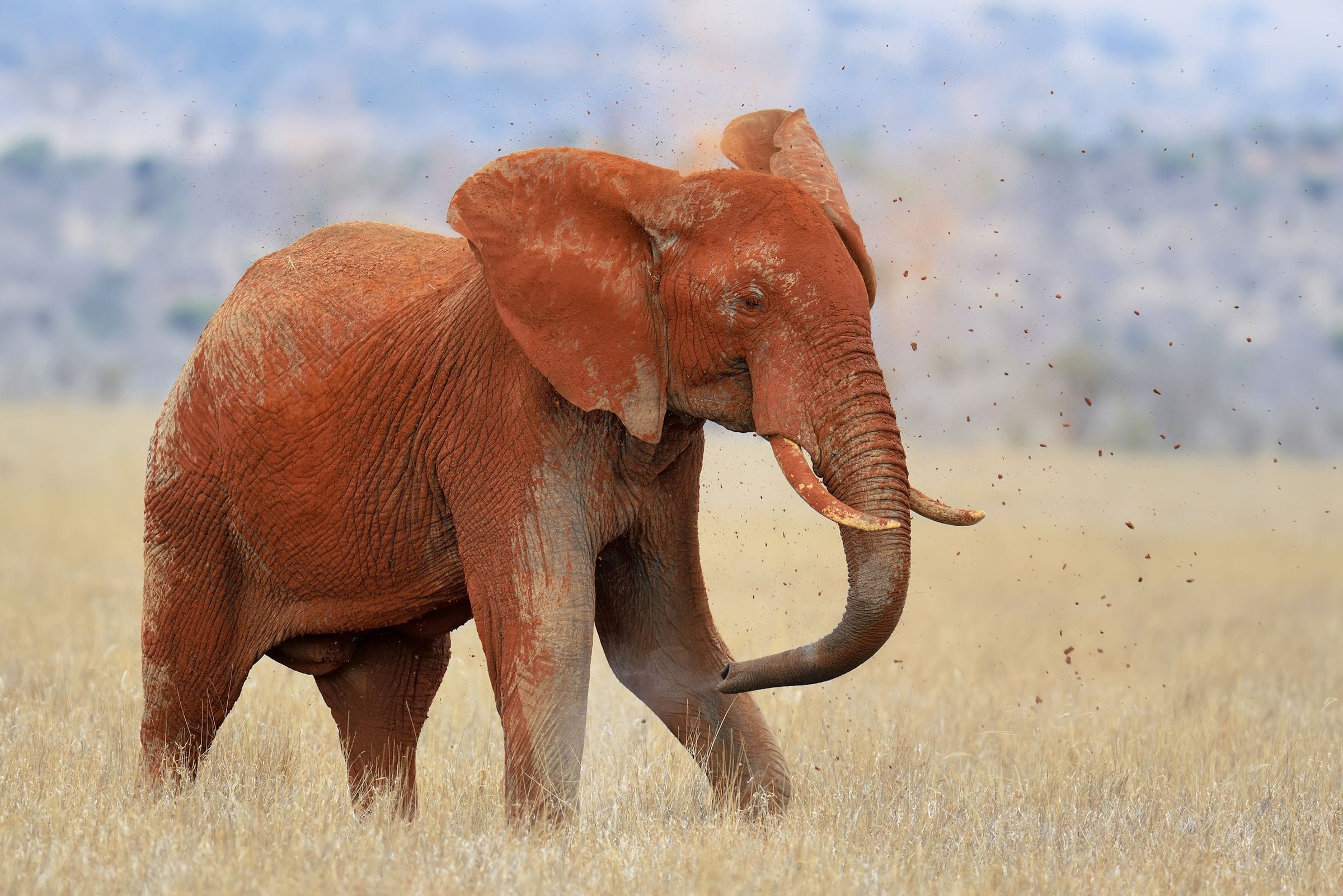
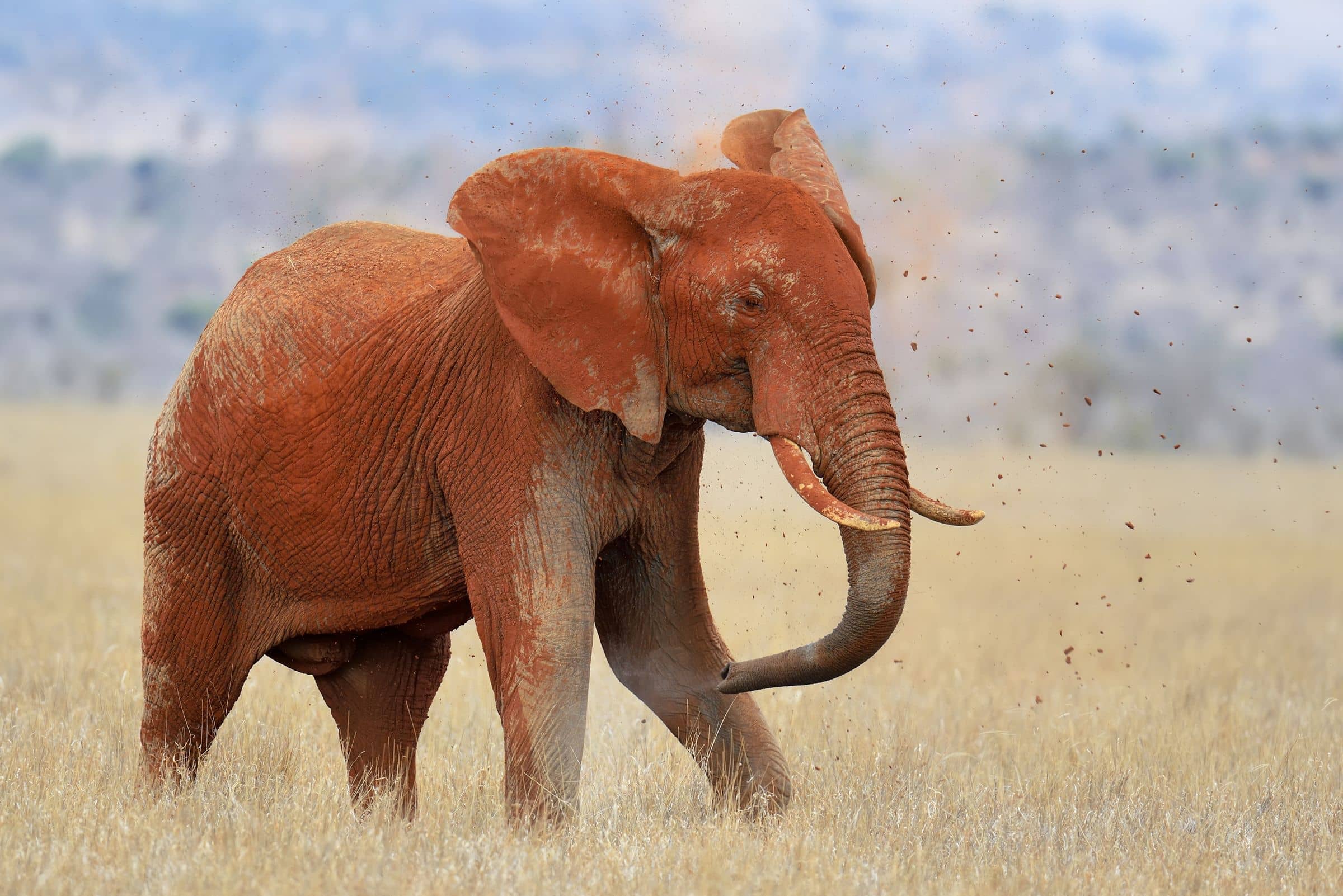
Tsavo East and Tsavo West together form one of Kenya's largest protected areas: wild, uncrowded country with red-dusted elephants, only about 2–3 hours' drive from Mombasa.
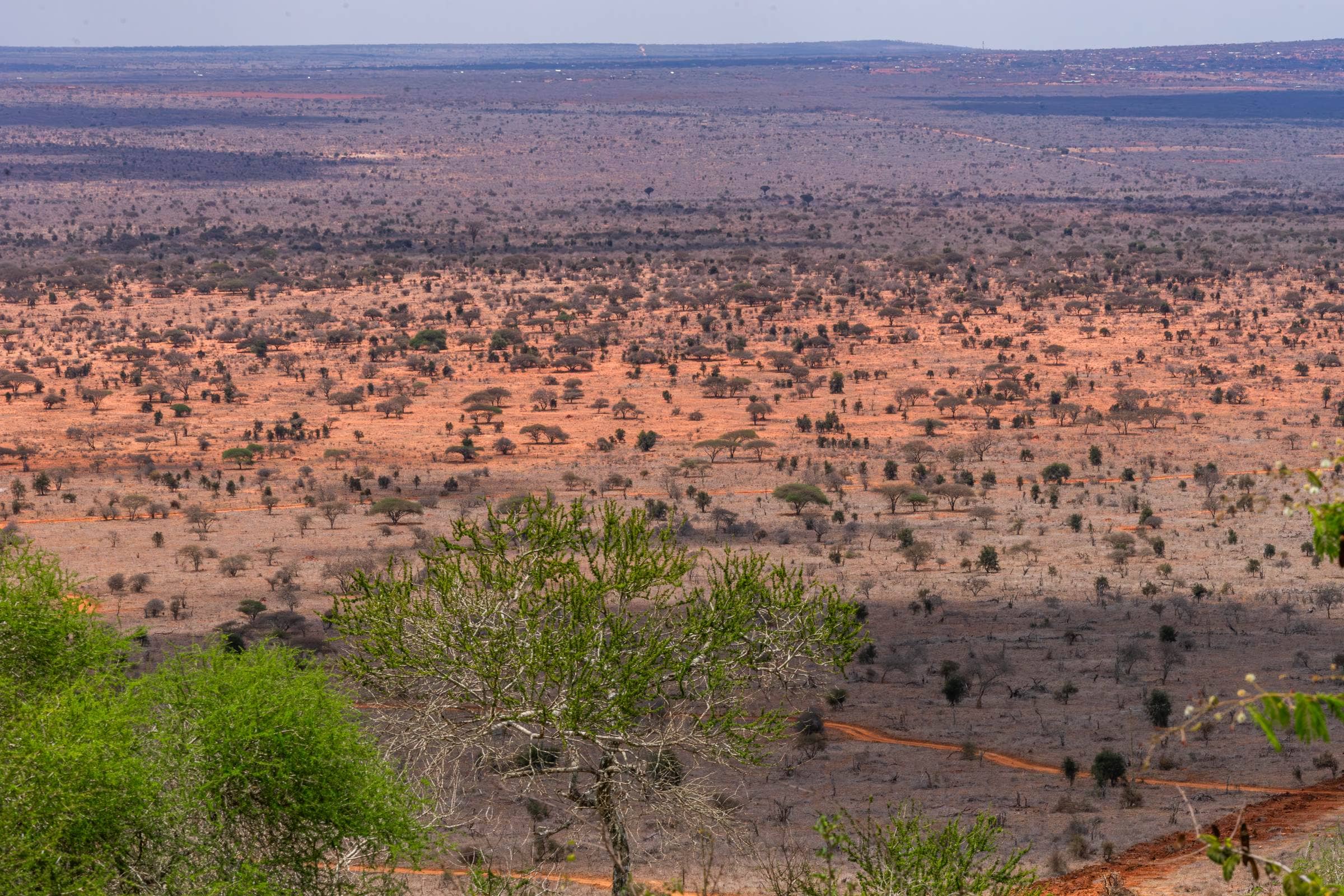
Tsavo is the safari on Mombasa's doorstep. Tsavo East and Tsavo West, divided by the Nairobi–Mombasa highway and railway, together cover more than 20,000 km², roughly four percent of Kenya. The nearest gate is only about 2–2½ hours from Mombasa by road, which is why Tsavo is the first safari for so many coast holidaymakers and Mombasa families.
Tsavo feels genuinely wild. Vehicle numbers are low, the horizons are huge, and the elephants come coated in red from the dust they throw over their backs. There's history too. In 1898 two lions brought work on the Uganda Railway bridge over the Tsavo River to a halt, the story told as the Man-Eaters of Tsavo.
The dry months, June to October and January to February, are best, when wildlife gathers at waterholes and rivers. The long rains (around April–May) and short rains (around November) turn Tsavo green and empty. It's still very visitable then, though some tracks get slippery.
From Mombasa: Tsavo East's Buchuma gate is roughly 2–2½ hours by road and the Voi gate about 3 hours. That makes a day trip possible, though an overnight is far better. Tsavo West's main gates are around 4 hours away.
From Nairobi: Tsavo West's Mtito Andei gate is about 4–5 hours by road. Alternatively, ride the SGR Madaraka Express to Voi, a short drive from Tsavo East's Voi gate.
Guide checked October 2026 by the Jeff Tours team. Park fees and visa rules change — we confirm current ones in every quote.
Trips to Tsavo
Yes. Tsavo East's Buchuma gate is roughly 2–2½ hours from Mombasa, so a day safari works: you leave very early, game drive through the morning and afternoon, and get back after dark. It's a long day, though. An overnight trip gives you the best wildlife hours, late afternoon and early morning, without the rush, and costs only one extra night.
Tsavo's elephants are grey, like elephants everywhere. They look red because they spray and dust themselves with Tsavo's iron-rich red soil to cool off and protect their skin from sun and insects. The colour is strongest in Tsavo East, where the soil is reddest, and it makes them some of the most photographed elephants in Kenya.
Tsavo East is flatter and drier, with wide open plains, the Galana River and Aruba Dam, and it's the closer of the two to Mombasa. Tsavo West is hillier and greener, with Mzima Springs, old lava flows, the Ngulia Rhino Sanctuary and views towards Kilimanjaro. The Nairobi–Mombasa highway separates them, and many safaris visit both.
Tsavo West's Mtito Andei gate is roughly 240 km from Nairobi, about 4–5 hours by road along the Mombasa highway. Tsavo East's Voi gate is further, around 5–6 hours. The most relaxing option is the SGR Madaraka Express to Voi, followed by a short road transfer into Tsavo East to start your safari.
Tsavo has healthy lion populations, but the parks are vast and the bush can be thick, so sightings are less predictable than in the open plains of the Maasai Mara. A good guide, early starts and at least one full day in the park help a lot. Look out for Tsavo's males, many of which have noticeably thin manes.
Tsavo is open and enjoyable all year. The dry seasons, June to October and January to February, are best for wildlife because animals gather at rivers and waterholes. The rainy months, around April–May and November, bring green scenery, fewer visitors and lower lodge rates, though some tracks can be slippery after heavy rain.
Tell us your dates and group — we'll suggest the right trip and send a quote.