3D / 2N
Maasai Mara
3-Day Maasai Mara Safari
The classic Maasai Mara safari from Nairobi: two nights in the reserve, a full day out to the Mara River, full board, park fees and Nairobi pick-up included.
FromKES27,500per person sharing
View trip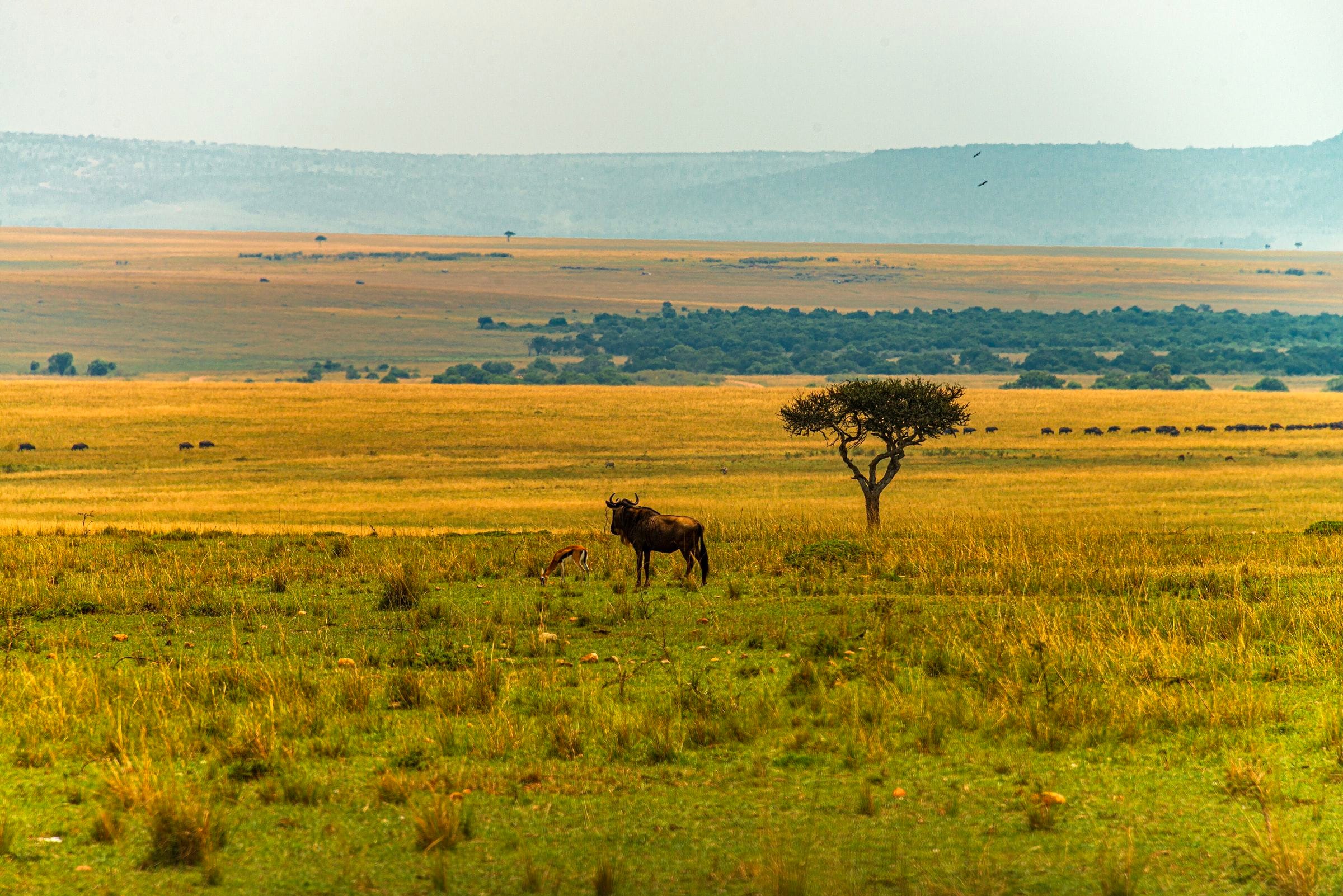
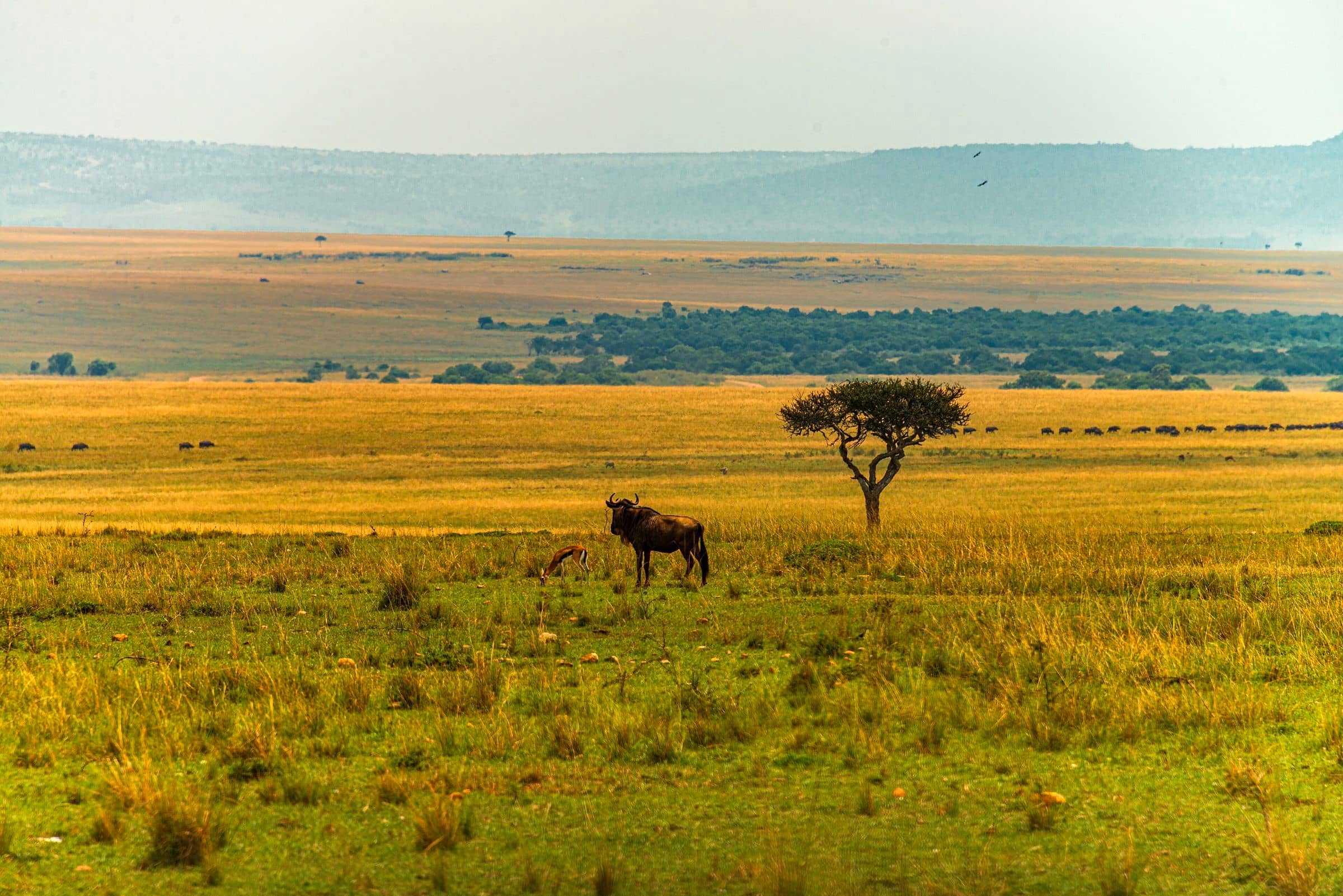
The Maasai Mara is Kenya's best-known safari reserve: open grassland with lion, cheetah and leopard all year, and the wildebeest migration from roughly July to October.
The Maasai Mara is Kenya's headline safari: open grassland in Narok County where lion, cheetah and leopard are seen all year, and where the wildebeest migration arrives from roughly July to October. The reserve covers about 1,500 km² on the Tanzanian border and is the Kenyan end of the greater Serengeti–Mara ecosystem.
Short grass and rolling plains make game easy to spot, and Mara guides are some of the sharpest in Africa. Two or three nights gives you a proper taste, and a sunrise hot-air balloon flight adds the big-sky view. If you'd rather share sightings with fewer vehicles, stay in one of the private conservancies on the reserve's northern and eastern edges. They cap vehicle numbers, allow guided walks and night drives, and pay the Maasai families who lease them the land.
July to October is migration season. Crossings are most often seen in August and September, but they follow the rain, not a calendar, so nobody can honestly promise you a date. January to March is dry, quieter and excellent for predators. The long rains, roughly April and May, make some tracks muddy and close a few camps, but the plains turn green and rates drop. Narok County also charges lower reserve fees from January to June than from July to December, which makes the first half of the year the best value.
From Nairobi: about 5–6 hours by road via Narok, mostly on tarmac, or about an hour by light aircraft from Wilson Airport.
From Mombasa: the quickest way is a scheduled light-aircraft flight from Moi International Airport or Ukunda (Diani), which takes roughly 2½–3 hours including stops. By road it's a two-day journey each way with a night in Nairobi or Naivasha. Many coast families ride the SGR to Nairobi and continue by safari vehicle from there.
Guide checked October 2026 by the Jeff Tours team. Park fees and visa rules change — we confirm current ones in every quote.
Trips to Maasai Mara
Maasai Mara
The classic Maasai Mara safari from Nairobi: two nights in the reserve, a full day out to the Mara River, full board, park fees and Nairobi pick-up included.
By road the Maasai Mara is well over 700 km from Mombasa, because you drive via Nairobi and Narok, so road safaris from the coast take two days each way or combine the SGR to Nairobi with a road transfer. The quicker option is a scheduled light-aircraft flight from Mombasa or Diani to the Mara airstrips, which takes about 2½–3 hours including stops.
The herds usually arrive in the Maasai Mara from Tanzania's Serengeti around July and stay until about October, before heading back south as the short rains begin. River crossings are most often seen in August and September, but the timing shifts with rainfall every year, so plan at least two or three full days in the reserve to give yourself a good chance of seeing one.
Two nights is the minimum for a worthwhile Mara safari, giving you one full day plus morning and evening game drives. Three nights is better, especially in migration season, when you may wait several hours at the river for a crossing. If you're coming from Mombasa by road, add two travel days each way; flying in makes a two- or three-night trip realistic from the coast.
The national reserve is managed for Narok County and is open to every licensed safari vehicle, so popular sightings can get busy. The conservancies around it are private land leased from Maasai landowners. They limit vehicle numbers, allow walking safaris and night drives, and charge their own fees, part of which goes to the landowners. Many safaris combine a conservancy stay with game drives in the reserve.
Yes. Narok County sets separate reserve fees for Kenyan citizens, East African residents and non-residents, and many lodges and camps publish lower resident rates. Bring your Kenyan ID or residence permit, because you'll need to show it. Reserve fees are also lower from January to June than from July to December, so green-season trips are the best value for Kenyan families.
Pack warm layers for early-morning and evening drives, because the reserve sits well above 1,500 metres and can be chilly. Add neutral-coloured clothes, a hat, sunscreen, binoculars, a torch and a power bank. Use a soft-sided bag if you're flying in: light aircraft to the Mara usually limit luggage to around 15 kg per person, including hand luggage.
Tell us your dates and group — we'll suggest the right trip and send a quote.